Is It Just Stress or Something More?
Test Yourself
Online Depression Quiz: Are You Depressed?
 How to Tell if You Have Depression: Quiz Guide, Benefits, and Best Practices
New Updates
A Clear Guide to Depression Quiz: How Screening Helps and What to Do Next
What Self-Guided Depression Screening Is and Why It Matters
Self-assessment tools can offer a private space to consider mood, energy, sleep, and moti...
A Complete, Reader-Friendly Guide to Depression Quiz and Test
What a Screening Quiz Is and Why It Matters
Self-guided mental health screeners help people notice mood patterns, energy changes, and disrupted sleep...

Free Depression Quiz: How to Use Online Tools Wisely
What a Depression Screening Is and Why It Matters
Early recognition of persistent sadness, loss of interest, fatigue, and concentration problems can...
Find Out if You Have Depression
Get StartedExplore Your Emotions With a Short and Quick Depression Quiz
Feeling persistently low, flat, or uninterested can be confusing, and many people don’t know where to start. A well-designed self-check can offer clarity by translating fuzzy feelings into structured signals you can act upon. These questionnaires are not medical diagnoses, yet they provide a reliable snapshot of symptoms that may warrant next steps with a clinician. In practical terms, a depression quiz helps you notice pattern-based indicators such as slowed thinking, appetite shifts, and sleep changes without requiring prior mental health knowledge. Rather than guessing, you answer brief, plain-language items that map to validated criteria and generate a straightforward score. That score can highlight whether your experiences are mild and situational or trending toward a more persistent condition.
Because time and energy can be limited when you’re struggling, an approachable format matters. Many platforms adapt validated screenings into user-friendly flows so you can complete them in a few minutes on any device. When items mirror clinically researched scales, a modern depression test quiz can provide good directional guidance you can share with your doctor or therapist during an appointment. Speed isn’t everything, but it can reduce avoidance and make the first step less overwhelming. If you’re unsure whether your mood dip is transient or more entrenched, a concise quick depression quiz may be enough to encourage a deeper conversation, while still being gentle, private, and stigma-sensitive.
- Translates feelings into trackable symptom patterns
- Encourages earlier help-seeking and documentation
- Fits into busy schedules without specialized knowledge

How to Take and Interpret Results Responsibly
Accurate self-screening starts before the first question. Set aside a quiet moment, avoid multitasking, and answer based on your average experience over the specified time frame rather than on a single very good or very bad day. When you treat the process like a brief health checkup, you give yourself the best chance of receiving meaningful insight. If you’re wrestling with uncertainty about your mood, an accessible am i depressed quiz can help you reflect on symptoms with more precision than a casual gut check. By rating frequency and impact, you’ll see patterns you might otherwise dismiss, such as irritability, fatigue, or concentration problems that have crept into daily routines.
Results should guide discussion, not replace professional judgment. After you receive a score, consider context: recent grief, medical conditions, medications, and life changes can all influence what you report. For many readers, a structured do i have depression quiz creates a helpful bridge from vague worry to a focused plan to speak with a primary care clinician or therapist. Be mindful of red flags that warrant urgent attention. Thoughts of self-harm, sudden drastic mood shifts, or inability to perform basic tasks are signals to seek immediate help rather than wait for a scheduled appointment. When you’re looking for discreet confirmation of early warning signs, a targeted signs of depression quiz can surface themes you might share with a trusted person or provider.
- Answer based on typical weeks, not exceptions
- Use results as a conversation starter with a clinician
- Seek urgent help if safety concerns arise at any point
Comparing Common Screening Frameworks
Behind the scenes, many digital self-assessments adapt validated instruments from clinical research. These tools differ in length, scoring, and the specific symptoms they emphasize, which is why choosing a format that matches your situation improves usefulness. Clarity improves further when the platform explains how to read scores and what next steps to consider.
If you’ve noticed overlapping symptoms with anxiety or burnout, a nuanced what type of depression do i have quiz can help you parse which features align more with low mood, mixed anxiety, or stress-related exhaustion. The goal is not to label yourself, but to narrow the lane for an informed professional conversation tailored to your experience.
| Tool | Length | Primary Use | Score Meaning | Notes |
|---|---|---|---|---|
| PHQ-2 | 2 items | Ultra-brief screening | High scores suggest need for full assessment | Great for quick triage |
| PHQ-9 | 9 items | Symptom severity and tracking | Ranges from minimal to severe | Widely used in primary care |
| HADS | 14 items | Depression and anxiety subscales | Separate scores for mood and anxiety | Useful in medical settings |
| EPDS | 10 items | Perinatal mood screening | Elevated scores suggest further evaluation | Designed for pregnancy and postpartum |
| GDS | 15–30 items | Older adult focus | Binary responses simplify scoring | Age-sensitive language |
Convenience and accuracy can coexist when a platform follows evidence and explains limitations. For people who prefer to complete a check from home and bring results to a clinic visit, a reputable depression test online quiz can save time while improving the quality of discussion.
When cost is a barrier or you’re just starting to explore, platforms that offer a high-quality free online depression quiz provide an approachable on-ramp to care without sacrificing privacy or clarity.
- Select tools matched to your life stage and context
- Favor assessments that disclose scoring and validation
- Use stable, repeatable measures for progress tracking
Privacy and Limits of Digital Tools for Teens, Kids & Adults
Digital self-assessments shine when they’re accessible, private, and backed by research. You can take them at your own pace, in any environment, without explaining yourself to anyone until you’re ready. That autonomy reduces barriers and can motivate follow-through on care plans that felt intimidating before you had language for your symptoms.
Cost transparency also matters for trust. When a platform clearly offers a depression quiz free of hidden paywalls, you can engage without worrying that results will be locked behind a checkout page. Free access is especially useful if you’re comparing multiple tools to see which feels clearest and most relevant.
Even when based on validated scales, a self-check is not a substitute for clinical evaluation. Think of it as a compass rather than a diagnosis. For those who prefer simple phrasing and minimal clinical jargon, a streamlined quiz depression format can reduce friction while still pointing you in the right direction for next steps.
Clarity helps avoid topic confusion too. Teachers may assign a history assessment about the 1930s economy, yet that great depression quiz covers an entirely different subject than mental health and should not be mixed up with mood self-assessments.
- Private, stigma-reducing first step toward care
- No-cost and transparent formats enhance trust
- Not a medical diagnosis; follow up with a professional
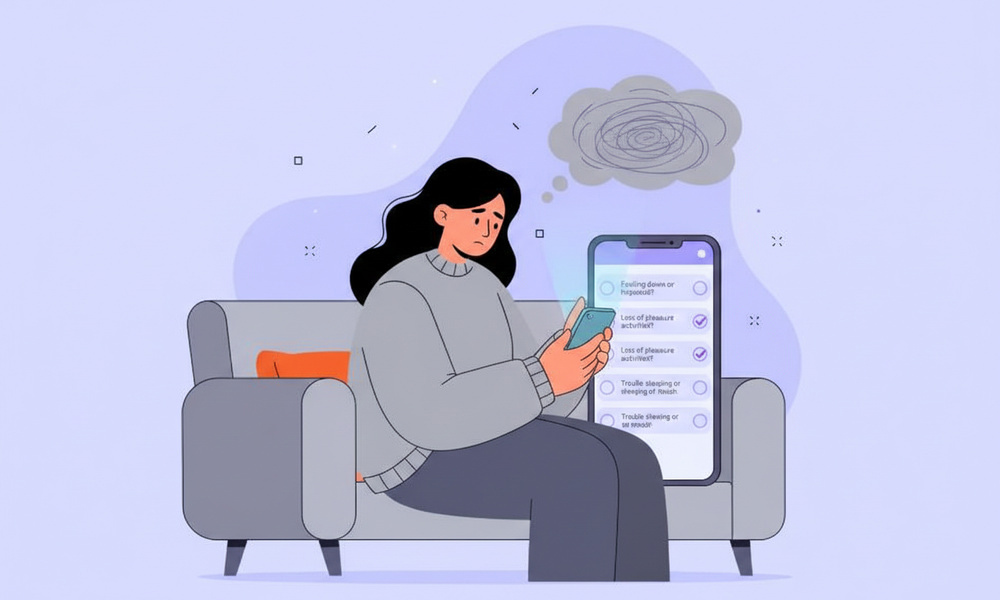
Choosing the Right Option for Life Stages
Context shapes symptoms and the language that best captures them. Adolescents often report irritability, social withdrawal, or school difficulties more than overt sadness, while adults may highlight fatigue, sleep disruption, or productivity concerns. Tailored questionnaires can surface these nuances so results feel relevant rather than generic. Because youth face unique developmental and social pressures, a resource designed as a depression quiz for teens can frame questions in age-appropriate terms that respect privacy and encourage honest responses. That focus reduces misinterpretation and supports earlier intervention within families and schools.
Workers, caregivers, and students often have limited bandwidth for long surveys, so pragmatic formats help maintain follow-through. Many people balancing employment and home responsibilities benefit when a platform offers a depression quiz for adults that highlights functioning at work, decision fatigue, and physical symptoms that can masquerade as mood issues. Perinatal periods deserve special attention because mood changes can affect both parent and child. Clinically informed tools that align with perinatal guidelines make a focused postpartum depression quiz particularly helpful for identifying when normal adjustment gives way to a treatable condition that merits extra support.
- Choose questionnaires matched to age and life context
- Share results with trusted adults, partners, or clinicians
- Reassess periodically to track changes over time
Find Out if You Have Depression
Get StartedFAQ: Your Questions Answered
-
Is a self-assessment the same as a diagnosis?
No. A self-assessment is a screening tool that highlights symptom patterns and severity ranges. A diagnosis requires a qualified clinician who can consider medical history, duration, impairment, and differential factors like thyroid issues, medication effects, or other mental health conditions.
-
How long does a typical questionnaire take?
Most validated formats take between two and ten minutes. Short screens are useful for triage, while slightly longer ones provide more granularity that can help with care planning and tracking progress over time.
-
What should I do after getting a high score?
If your score suggests moderate to severe symptoms, schedule an appointment with a primary care clinician or mental health professional. If you have thoughts of self-harm or feel unsafe, contact local emergency services or a crisis hotline immediately.
-
Can I use results to monitor improvement?
Yes. Repeating the same instrument on a consistent schedule helps you and your clinician see trends. Many practices use standardized scores to adjust treatment intensity or to celebrate measurable gains.
-
How do I protect my privacy when screening online?
Use reputable platforms that disclose data practices, avoid unnecessary account creation, and allow you to export or delete results. Consider using a private browser window and secure device if you share computers with others.