
Free Depression Quiz: How to Use Online Tools Wisely
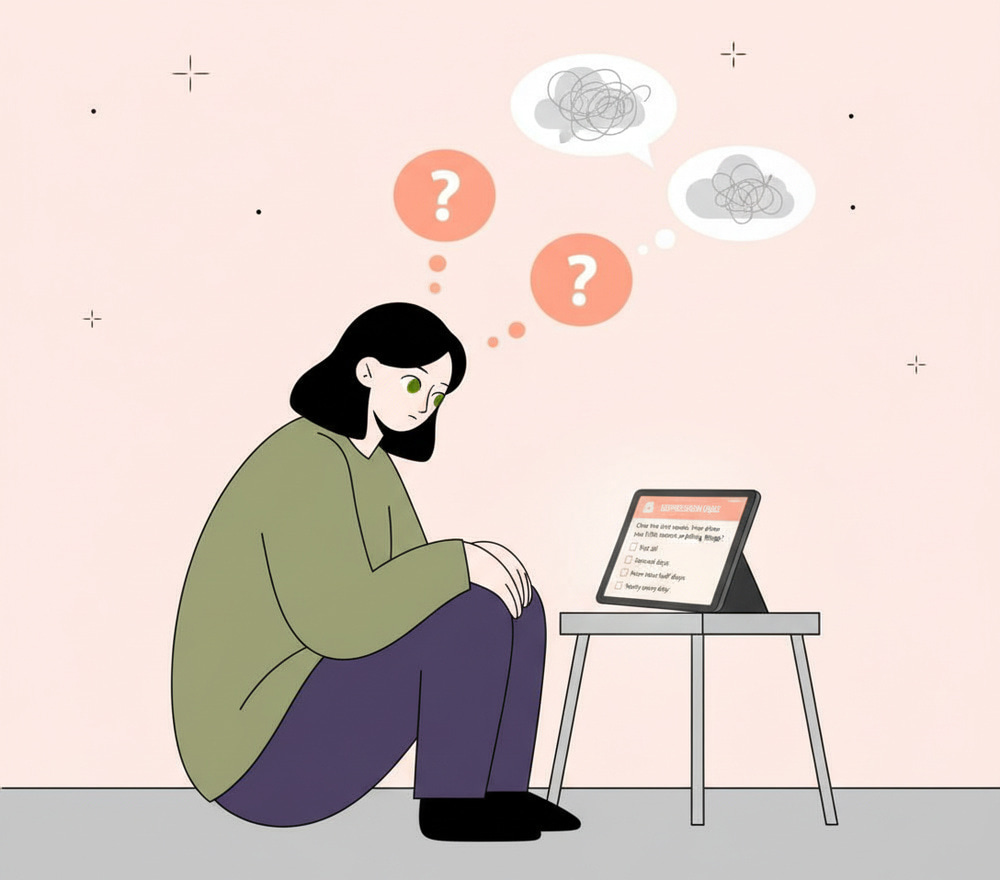
Find Out if You Have Depression
Get StartedWhat a Depression Screening Is and Why It Matters
Early recognition of persistent sadness, loss of interest, fatigue, and concentration problems can change the trajectory of someone’s well‑being. Screening tools offer a structured way to notice symptom patterns and reflect on how often they appear in everyday life. Many readers look for a depression quiz free option to explore mood changes without obligations. These brief questionnaires are not diagnoses, yet they can act as a compass, pointing toward whether it might be time to seek a professional evaluation. By transforming vague distress into measurable signals, a short screener helps people pause, assess, and plan a next step.
Standardized questions, often adapted from validated measures like the PHQ‑2 or PHQ‑9, ask about sleep, appetite, restlessness, and feelings of worthlessness. Because items use clear response scales, you can compare how you felt last week to how you feel today, tracking trends over time. Importantly, a screening result should be interpreted alongside context: big life changes, chronic stress, and medical conditions can influence mood. Consider discussing concerning scores with a clinician who can provide an integrated assessment. If thoughts of self‑harm are present, or if you feel unsafe, contact local emergency services or a crisis line right away, as immediate support matters more than any quiz score.
Benefits and Limitations of Free Screeners
Accessible mood screeners can remove barriers created by cost, distance, or scheduling challenges. They are quick, private, and available around the clock, which means people can reflect on symptoms when motivation peaks rather than waiting weeks for an appointment. Some people prefer a free depression quiz hosted by nonprofits when they want quick feedback. The best tools use evidence‑based questions, plain language, and clear guidance about what to do next based on your responses.
However, a short questionnaire cannot capture nuance like co‑occurring anxiety, trauma history, or medical factors (for example, thyroid issues) that can mimic depressive symptoms. Scores are snapshots, not clinical judgments, and results depend on honest self‑reporting. When you treat a screener as a starting point, it becomes a gateway to informed choices rather than a verdict.
| Aspect | What It Offers | What It Doesn’t Replace | Suggested Next Step |
|---|---|---|---|
| Speed | 2–5 minute overview of symptom frequency | Comprehensive mental health evaluation | Schedule a consultation if scores are moderate to severe |
| Privacy | Self‑assessment in your own space | Confidential clinician–patient relationship | Use secure sites; avoid sharing identifiable data |
| Clarity | Plain‑English prompts and actionable guidance | Medical rule‑outs for physical causes | Ask your primary care provider about lab checks |
| Tracking | Comparable scores across weeks or months | Therapeutic formulation and personalized care plan | Share trends with a therapist or doctor |
- Use tools hosted by universities, hospitals, or recognized mental health organizations.
- Read how your data is stored, especially if you enter an email or create an account.
- Pair your results with journaling to capture context that numbers can miss.
- Reach out promptly if your responses indicate severe symptoms or safety concerns.
How to Take an Online Screening Thoughtfully
Set aside a quiet moment, silence notifications, and reflect honestly on the past two weeks rather than “today only.” Try to answer each item from your own perspective, not by guessing how someone else might view your behavior. For a quick snapshot, you might start with a free online depression quiz built on validated questions such as the PHQ‑9. Consistency in timing helps too; taking follow‑ups at the same time of day reduces variability from energy slumps or temporary stressors.
Before you begin, consider privacy: use a trusted device, a secure connection, and sites that clearly explain how they handle data. After you complete the screener, read the guidance that accompanies your score rather than focusing only on the number. Look for suggestions about follow‑up, red flags, and links to next‑step resources. When available, download or save your results so you can discuss them with a clinician if needed.
- Choose reputable sources with transparent scoring and references to research.
- Answer every question to avoid skewed results.
- Repeat the same tool over time to monitor trends consistently.
- Act on urgent advice immediately; safety comes first.
Special Considerations for Teens and Caregivers
Adolescence brings rapid changes in sleep, social life, and identity, making it tricky to separate typical ups and downs from signs of a mood disorder. School stress, bullying, and social media can intensify symptoms, while privacy concerns may keep teens from voicing how they feel. When privacy is a concern, adolescents can use a depression quiz free for teens provided by reputable health organizations. A developmentally sensitive screener uses age‑appropriate language, includes items about school functioning, and offers guidance for caregivers alongside support for youth.
Caregivers can help by normalizing help‑seeking, protecting sleep routines, and setting gentle check‑ins rather than interrogations. If a teen’s score suggests moderate or severe concerns, consider contacting a school counselor, pediatrician, or a clinician trained in adolescent mental health. Keep an eye on warning signs like withdrawal from friends, abrupt declines in grades, or talk of hopelessness. In urgent situations, prioritize immediate support by contacting local emergency services or a crisis line.
- Encourage honest responses by ensuring the teen’s privacy during the screener.
- Follow up with collaborative planning instead of criticism.
- Share resources in multiple formats (text lines, chat, phone) to match preferences.
- Model healthy coping strategies, such as movement, routine, and supportive conversations.
Interpreting Scores and Turning Insight Into Action
Results often group into ranges like minimal, mild, moderate, moderately severe, or severe. Treat these labels as guideposts and look for patterns across time rather than one‑off spikes. If you’re unsure where to begin, consider an are you depressed quiz free as a gentle first step before booking an appointment. The most valuable outcome of any screening is a concrete plan: identifying who you will talk to, when you will follow up, and what changes you can test this week.
For many people, simple shifts, consistent sleep, sunlight exposure, daily movement, and social connection, provide momentum while awaiting professional care. When scores trend upward or distress intensifies, escalate your response by contacting a clinician, visiting urgent care, or calling a crisis line. If thoughts of self‑harm arise, seek immediate help from local emergency services or a crisis resource in your region.
- Document your baseline, then retake the same screener every 2–4 weeks.
- Share summaries with your doctor or therapist to inform decisions about therapy or medication.
- Pair screening with skill‑building practices like behavioral activation or mindfulness.
- Reassess after changes in life circumstances, medications, or health status.
FAQ: Common Questions About Free Depression Screeners
How accurate are brief online mood questionnaires?
Quality screeners based on validated tools can be reliable indicators of symptom levels, but they are not diagnostic on their own. Accuracy improves when the questions are answered honestly and interpreted with professional guidance.
Can I use a no‑cost screening to decide whether to see a therapist?
Yes, a quick self‑check can clarify whether your experiences align with common depressive symptoms. If results suggest moderate or severe concerns, scheduling an evaluation is a prudent next step.
Will my data be private when I complete a questionnaire?
Privacy varies widely across websites, so look for clear policies about storage, sharing, and encryption. When possible, use reputable organizations and avoid entering personal identifiers unless necessary.
How often should I retake a self‑assessment?
For monitoring, many people retake the same tool every few weeks, using consistent timing and conditions. If symptoms accelerate or new risks appear, take another reading sooner and seek support.
What should I do if my score is high or I feel unsafe?
High scores warrant prompt contact with a healthcare professional for a full evaluation. If you feel at risk of harming yourself, reach out to local emergency services or a crisis line immediately for real‑time support.
Choosing the Right Resource for Your Needs
Different platforms vary in clarity, clinical grounding, and follow‑up suggestions, so align your choice with your goals and privacy comfort. You might prefer a hospital‑backed screener if you want built‑in pathways to care, while others may gravitate toward nonprofit resources that emphasize education and anonymity. For some users, a simple interface encourages regular check‑ins, whereas others value detailed guidance that links results to next steps. Over time, consistency and action matter more than the specific website, so pick a tool you trust and pair it with supportive habits and professional input when indicated.
If cost or location has delayed care, a structured self‑assessment can serve as a bridge to services. When results suggest you could benefit from help, consider contacting a primary care provider, therapist, or community clinic to convert insights into a clear plan. With a thoughtful approach, brief screeners can spark early intervention, reduce uncertainty, and help you move from concern to constructive change.